Moving from an assistant that answers questions to an agent that gets work done is a big step: the agent gathers information, prepares reports, follows up on tasks, and may act inside systems. The key question becomes: how do we benefit from this without handing decisions to a system we do not oversee?
Principle 1: limited permissions for every agent
A reporting agent does not need permission to edit data, and a task follow-up agent does not need access to financial systems. We give each agent the least access that is enough for its job — just as we would with a new employee.
Principle 2: human approval before any sensitive action
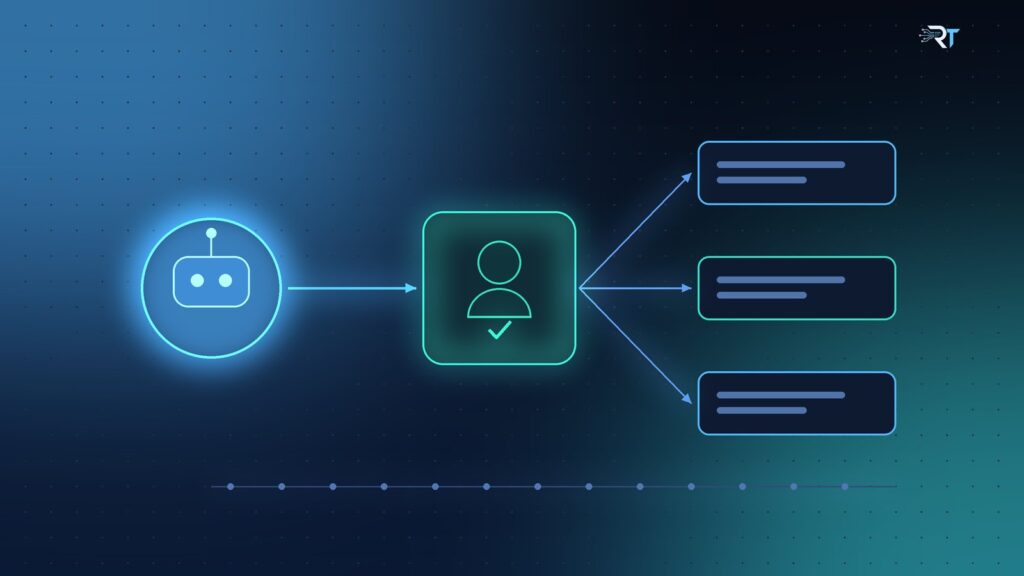
We split actions into two kinds: safe actions the agent can take directly, such as reading data or preparing a draft; and sensitive actions — sending externally, editing, deleting, or any financial commitment — where the agent stops, shows what it intends to do, and continues only after an authorised person approves.
The agent takes on the repetitive, tiring part of the work, and the decision stays with people.
Principle 3: a full audit log
Every step the agent takes is recorded: what it was asked, what information it looked at, what it proposed, who approved, and when. The log is not only for oversight but for improvement: when the agent gets something wrong, we know where and why.
Where agents make a real difference
- Following up on projects and compiling task status from several sources into one report.
- Preparing drafts and first replies for an employee to review instead of starting from scratch.
- Watching indicators and alerting when something needs attention.
Start with one task
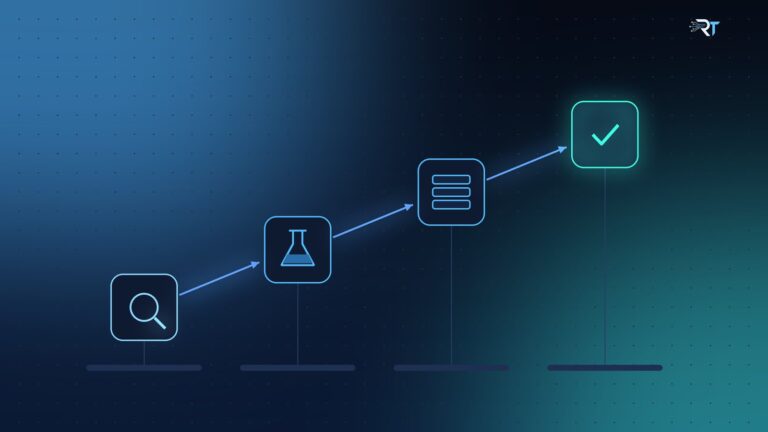
The best way to adopt agents is to pick one clear, repetitive task, run the agent on it with human approval at every step at first, then widen what runs automatically as trust grows.