Imagine a manager asking an AI assistant for last quarter's sales and getting a plausible number that a decision is then built on — only to discover the number never came from any system in the company. This is not rare: language models are designed to produce convincing text, not to prove it is correct.
That is why we believe refusing beats a wrong number, and we build assistants around that principle.
Where do wrong answers come from?
When a model is asked about something it cannot find in the context available to it, it tends to “complete” the gap with something that sounds reasonable. The more confident the wording, the harder it is for the user to doubt it. The problem is worst with numbers, names and dates — exactly what decisions rely on.
Designing an assistant that knows its limits
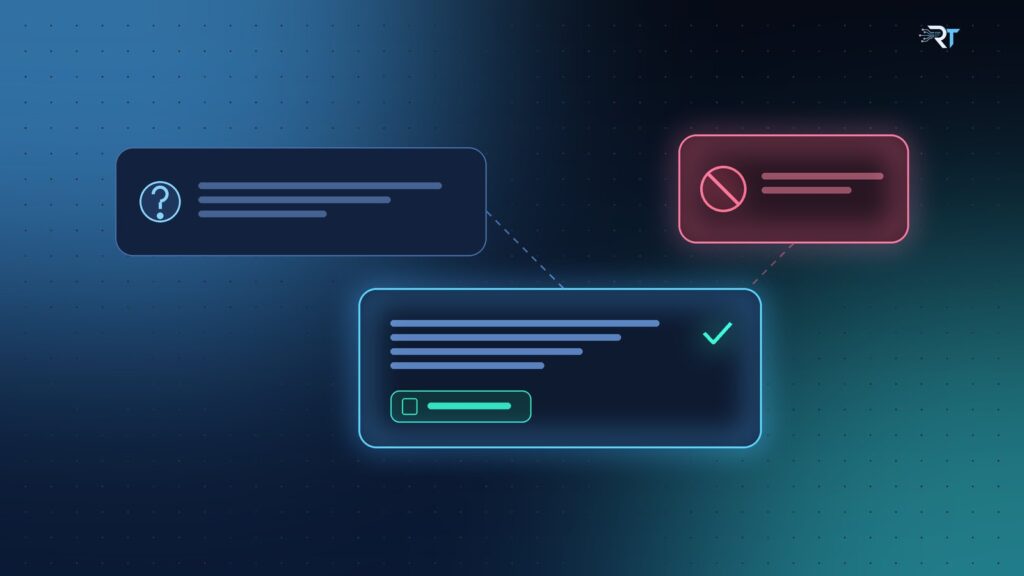
- Answer from the source only: the assistant turns the question into a safe, read-only query on the organisation's systems or approved documents, then writes the answer from the result.
- Cite the source with every answer: the table or document the information came from, so users can check for themselves.
- Clear refusal: if the information is not in the approved sources, the assistant says so instead of guessing.
- Tested templates for frequent questions: known questions go through queries that were tested in advance.
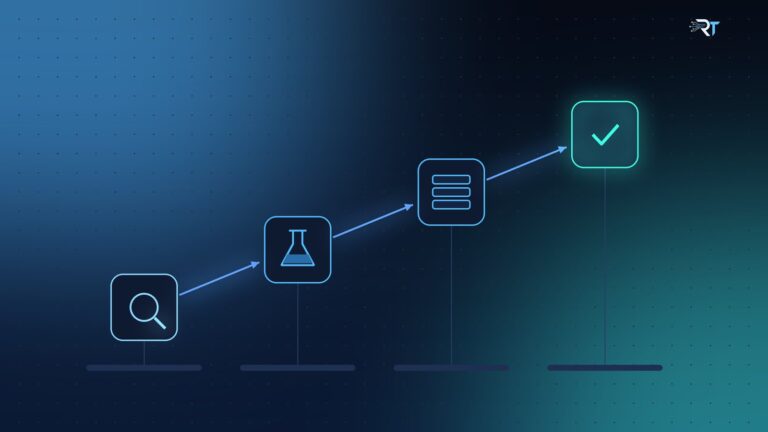
Testing it before launch
We build a fixed test set with questions that have known answers, and questions the system must decline. A good system is not measured only by how many answers it gets right, but also by its ability to hold back when it should. We re-run this set after every change.
Trust is built on transparency
An assistant that says “I don't know” may look less impressive in the first demo, but it is the only one employees will still trust after a month of use. And trust is what turns an AI tool from an experiment into part of daily work.